
The economics behind a reusable rocket
Launch cadence, refurbishment and utilisation matter as much as the landing itself.
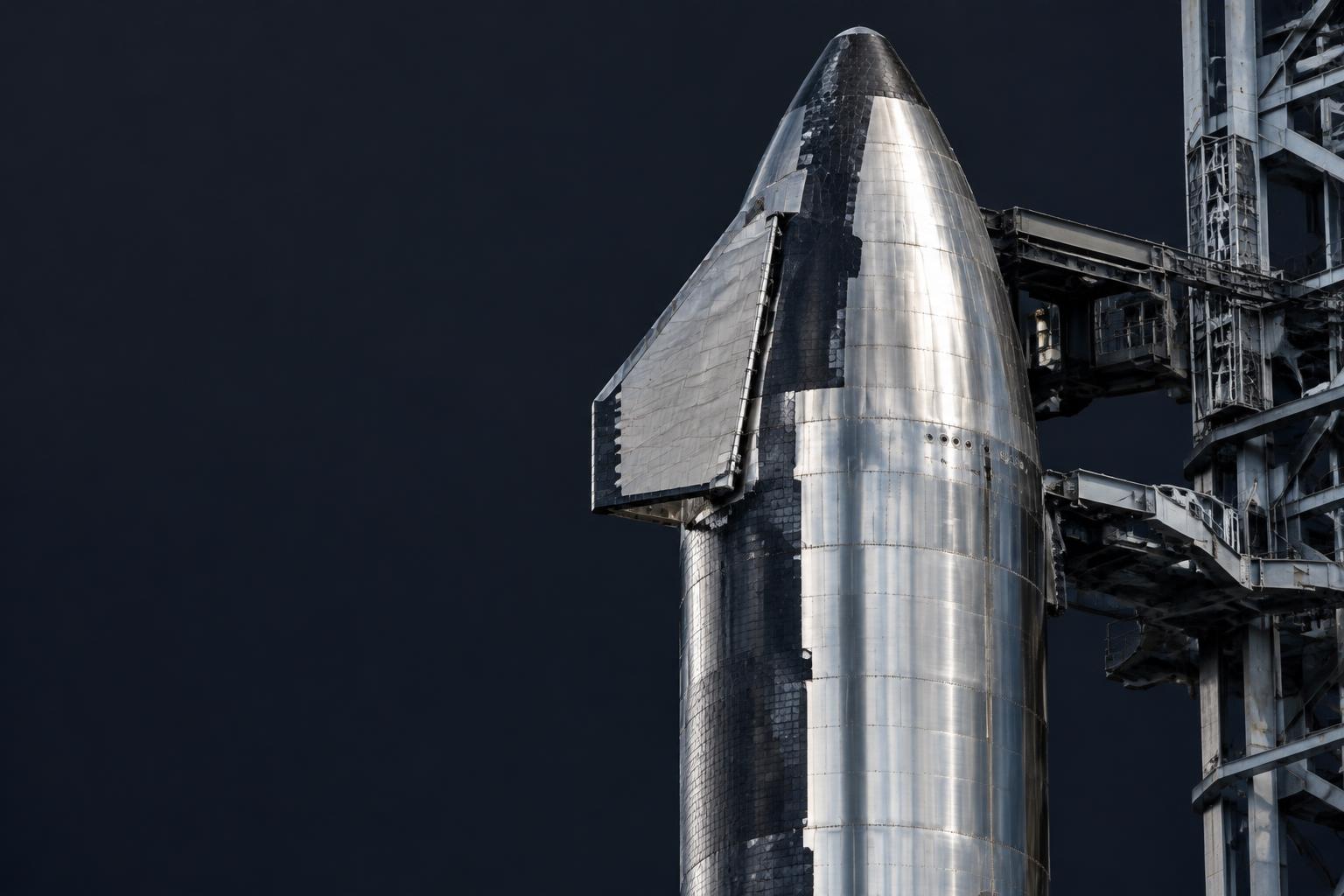
AI-generated conceptual imagery. Not a documentary photograph of a specific vehicle or mission.
Reusability changes the way a launch vehicle is operated. Rather than manufacturing every component for a single flight, an operator can recover selected hardware and prepare it for another mission. That creates a new set of costs and opportunities.
The economic outcome depends on more than successful recovery. Inspection time, replacement parts, labour, transport and the number of flights each vehicle completes all affect the cost per mission.
High utilisation can spread fixed costs across more launches. Demand, infrastructure and regulatory approvals influence how often a system can fly. A technically reusable vehicle is not automatically a low-cost or profitable service.
Investors should distinguish technical milestones from financial performance. Launch counts and successful landings are useful operational measures, but do not replace audited accounts or company disclosures. This briefing is informational and is not investment advice.